Mountain Tree Quotes

Dead & Hazardous Trees in the San Bernardino Mountains

Concerned about a dead, declining, leaning, or damaged tree on your property? Mountain Tree Quotes helps connect homeowners with local tree-service professionals who can evaluate the situation and discuss appropriate next steps.

Home /

Services / 

Dead & Hazardous Trees

When a Tree Starts to Become a Concern

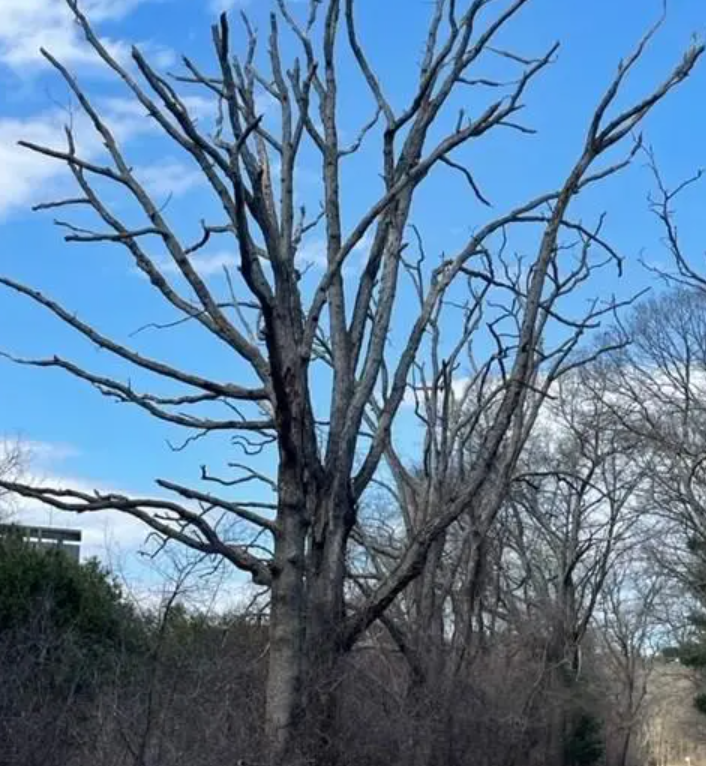
Living among mature trees is part of what makes the San Bernardino Mountains beautiful, but trees can change over time. Drought, disease, pests, storms, snow, root disturbance, structural defects, and age can all affect the condition of a tree.

Some problems are obvious, such as a large broken limb hanging over a roof. Others can be much harder to recognize from the ground. If you’ve noticed a significant change in a tree, especially one near a home, driveway, road, or frequently used area, it may be worth having the tree evaluated.

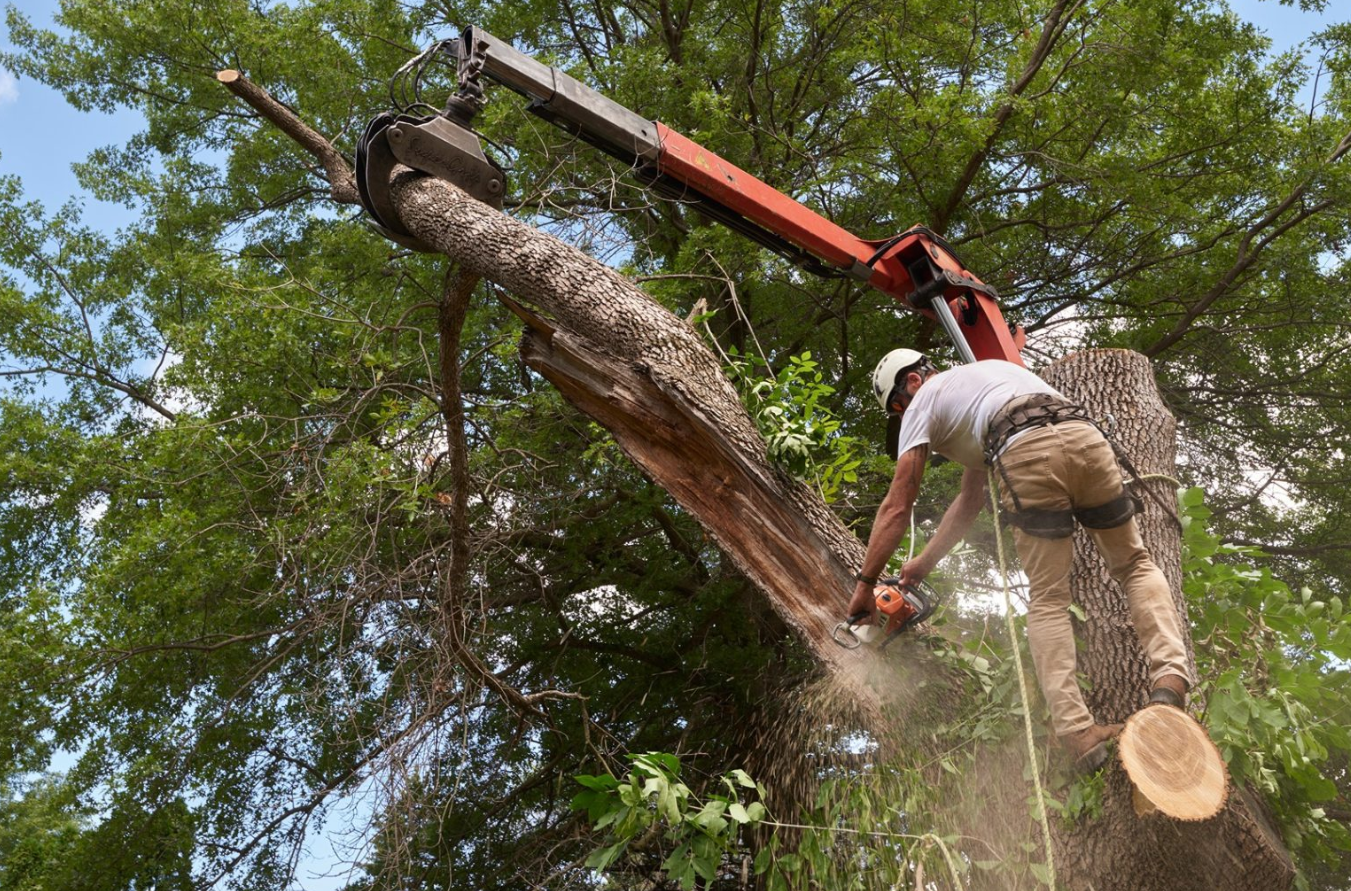
Whether you’re dealing with a dead tree, a tree threatening a structure, storm damage, or simply a tree that needs to come down, we can help connect you with the right local tree-service professional who handles the specific type of work your property requires.

Signs a Tree May Need Professional Attention

What Can Make a Tree Hazardous?

1. The Condition of the Tree

Dead wood, structural defects, significant decay, damaged roots, or major storm damage can affect a tree’s ability to remain structurally sound.

2. Where the Tree is Located

A questionable tree standing beside a home, road, driveway, neighboring property, or frequently used area presents a different situation from one located far from people and structures.

3. The Size of the Tree or Branches

Large trees and heavy limbs have the potential to cause substantially more damage if they fail.

4. Mountain Terrain

Steep slopes, erosion, soil conditions, and difficult access can complicate both the condition of a tree and the work required to address it.

5. Weather Exposure

Mountain wind, snow loads, drought, and storms can place additional stress on already weakened trees.

Hazardous Trees in the Mountains Need a Closer Look

Mountain properties can place large trees unusually close to homes, roads, vehicles, utility infrastructure, and neighboring properties. Combined with steep terrain and severe weather, that can make changes in a tree especially important to notice. Watch more closely when a questionable tree is: 

Does a Hazardous Tree Have to be Removed?

Not necessarily. A warning sign does not automatically mean a tree needs to come down.

Depending on the tree and the nature of the concern, an appropriate professional may recommend monitoring, pruning, removing damaged limbs, further evaluation, or removal when the risk cannot reasonably be addressed another way.

The important thing is recognizing when a tree may deserve a closer look rather than trying to diagnose its condition from appearance alone.

What Should I Do if I'm Concerned About a Tree?

Observe the tree from a safe location and, if possible, take photos showing the entire tree, its base, any visible damage, and its proximity to nearby structures.

If a tree or branch presents an immediate danger to people, an occupied structure, a roadway, or a power line, stay clear of the area and contact the appropriate emergency service or utility provider. Mountain Tree Quotes is not an emergency-response service.

Not sure what to look for? Read our guide: How to Tell if a Tree Is Dangerous: 7 Warning Signs Mountain Homeowners Should Know.

Concerned About a Tree on Your Property?

Tell us what you're seeing and share a few details about your tree, property, and location. Photos can also be included with your request.We'll help connect you with one participating local tree-service professional at a time who serves your area and handles the type of work you need.